
Flu season has a way of announcing itself all at once — a cough at pickup, a warm forehead at bedtime, a note home from the school nurse. You can't always predict when it will show up at your house, but you can be ready for it. Having a few key supplies on hand before your child gets sick means one less thing to think about when they're not feeling well.
Here's what we recommend keeping stocked at home, along with a few notes on when it's time to call your pediatrician.
1. A Reliable Thermometer
A digital thermometer is the most useful tool you'll reach for during flu season. Keep the batteries fresh and know which type is right for your child's age — rectal thermometers are typically recommended for infants, while oral or temporal (forehead) thermometers work well for older kids.
2. Age-Appropriate Fever and Pain Relief
Acetaminophen and ibuprofen can help with fever and body aches, but dosing depends on your child's age and weight. Check the label, confirm the right dose with your pediatrician if you're unsure, and never give aspirin to a child recovering from a viral illness.
3. Tissues and Extra Hand Soap
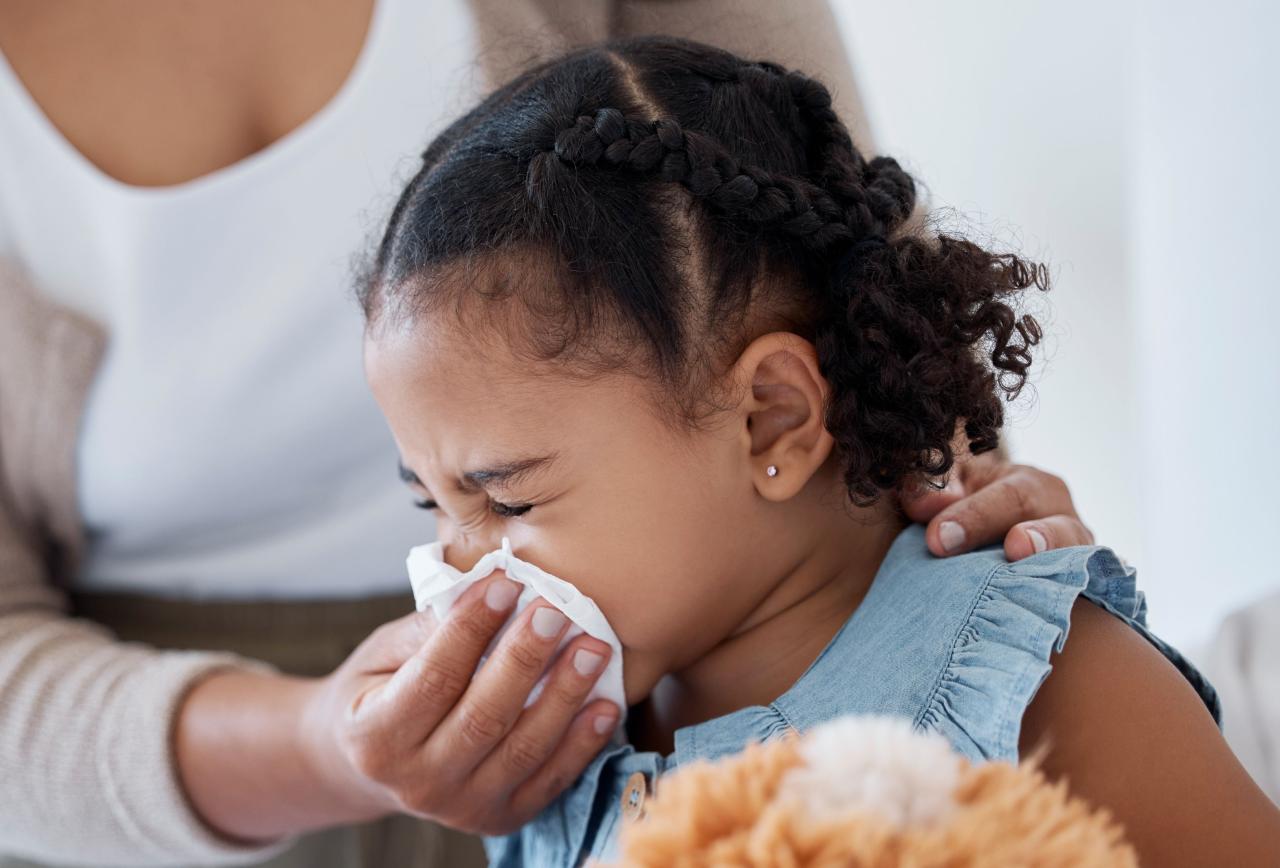
Simple, but easy to run out of exactly when you need it most. Stock a few boxes of tissues and keep hand soap filled at every sink — frequent handwashing is one of the most effective ways to slow the spread of flu at home.
4. Hydration Support
Fluids matter more than food when a child is sick. Keep water, diluted juice, or an electrolyte drink on hand, especially for younger kids who are more prone to dehydration from fever or a poor appetite.
5. A Cool-Mist Humidifier
A humidifier can ease coughing and congestion, particularly overnight. Clean it regularly to prevent mold and mineral buildup, and place it a few feet from your child's bed.
6. Saline Spray or a Nasal Aspirator
For babies and toddlers who can't blow their own nose, saline drops paired with a nasal aspirator can make breathing and feeding much easier during a stuffy week.
7. A Working Pulse Oximeter (Optional, but Helpful)
Not every household needs one, but for families with young children or kids with asthma or other respiratory conditions, a pulse oximeter can offer helpful information to share with your pediatrician if breathing becomes a concern.
8. Comfort Items
Sick days go a little easier with a favorite blanket, a stuffed animal, or a stack of books ready to go. Keeping a small "sick day basket" stocked ahead of time can make a rough week feel more manageable for everyone.
9. A Stocked Sick-Day Pantry
Soup, crackers, popsicles, and other easy-to-eat foods are worth keeping in the pantry before you need them. Appetite often dips during illness, so having gentle, appealing options ready can help.
10. Your Pediatrician's Contact Information — Saved and Visible
This one isn't a product, but it matters just as much. Save your pediatrician's after-hours line in your phone, and keep it somewhere visible (like the fridge) for anyone else who might be caring for your child.
When to Call Your Pediatrician
Most flu cases can be managed comfortably at home with rest, fluids, and time. Call your pediatrician if your child:
Is under 3 months old and has a fever
Has a fever lasting more than a few days, or one that keeps returning
Shows signs of trouble breathing, such as rapid breathing or flaring nostrils
Isn't drinking fluids or shows signs of dehydration (fewer wet diapers, no tears when crying, unusual sleepiness)
Seems to be getting worse instead of better after a few days
If symptoms feel severe or you're ever unsure, it's always reasonable to call and ask — that's what your pediatrician's office is there for.
Frequently Asked Questions
When does flu season typically start?
Flu activity in the U.S. usually begins to pick up in October, peaks between December and February, and can continue into the spring. Getting a flu vaccine early in the season gives your child's immune system time to build protection before activity increases.
How can I tell if it's a cold or the flu?
Colds tend to come on gradually with milder symptoms like a runny nose and mild cough. The flu often arrives more suddenly, with higher fever, body aches, fatigue, and chills. When in doubt, your pediatrician can help you sort out the difference — and whether antiviral treatment might help.
Is it too late to get a flu shot once flu season has started?
No. As long as flu is circulating, vaccination can still offer meaningful protection. It's not too late to schedule one, even mid-season.
What's the best way to prevent flu from spreading at home?
Frequent handwashing, covering coughs and sneezes, cleaning shared surfaces, and staying home when sick all help. Annual vaccination remains one of the most effective tools for reducing the risk of getting — and spreading — the flu.
A Little Preparation Goes a Long Way
You can't prevent every sick day, but a stocked cabinet and a vaccinated family can make flu season feel a lot less daunting. If your child hasn't had their flu shot yet this year, now is a great time to get it on the calendar.